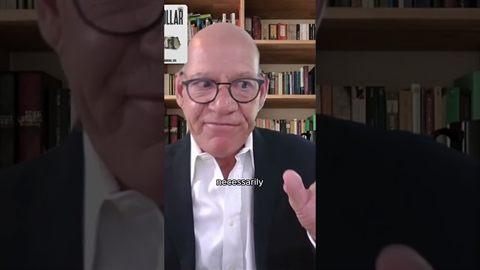
No, we are not all going to lose our jobs to the machine. My view is that there will be a lot of job losses in certain sectors and a lot of new jobs in different sectors, and those two groups are not the same people doing the same work.
The jobs in real danger are the entry-level ones that somebody can do from home, rearranging numbers. Those are going away, for sure, and lots of them. You now have tools that do that work considerably better, and once that is true the decision gets made for you.
The best advice I ever got came when I was coming up in the bond trading business in London, in my early twenties. I asked my boss who made the most money in the market, because I wanted to be one of those guys. He said it is the producers. Either you trade a book and make money that way, or you are the person who communicates with clients and explains complicated things in a simple manner that the client can actually understand. The jobs on Wall Street are predominantly client-facing jobs, and that is not an accident.
I think that principle survives AI intact, with one adjustment. You are not necessarily going to be facing a client so much as interacting with the technology and then translating it. Being able to explain a complicated technology so that it applies to a specific business is work that is going up in value, not down. Getting that information into the hands of the people who need it to make a living in their business is the job, and there are going to be plenty of those jobs. I could be wrong on the pace of this. I am not worried about the direction.